
- August 21, 2026
- Grilling
Garden to Table: Recipes From My Zone 5B Garden

Garden to Table: Recipes From My Zone 5B Garden is a collection of seasonal recipes inspired by what I grow and harvest from my Chicago-area garden. From fresh tomatoes and peppers to cucumbers and herbs, these recipes will help you cook, preserve, and make the most of your summer garden harvest.
There is nothing quite like cooking with ingredients you grew yourself. I garden in the Chicago area in Zone 5B, where our growing season may be relatively short, but by mid-to-late summer, tomatoes, peppers, cucumbers, herbs, and other vegetables can suddenly be producing faster than you can use them.
As a chef and recipe developer, one of my favorite parts of gardening is figuring out what to cook with everything I harvest. Sometimes that means keeping things simple and eating a perfectly ripe tomato while it’s at its peak. Other times, it’s turning a huge harvest into sauces, condiments, pickles, and other recipes I can enjoy long after summer ends.
This collection brings together my favorite garden-to-table recipes from Bon Appeteach, organized by what you’re harvesting. So, if you’re staring at a counter covered in tomatoes or wondering what to do with another basket of peppers, start with the ingredient below.
I’ll continue adding to this guide as new vegetables come out of my garden and new recipes make their way into my kitchen.
Cooking From a Zone 5B Garden
Gardening in Zone 5B means learning to make the most of a very seasonal growing window. Here in the Chicago area, spring starts slowly, but once summer heat arrives, the garden can change incredibly quickly.
Tomatoes, peppers, cucumbers, zucchini, eggplant, and herbs make up much of my summer harvest, while squash and pumpkins take us into early fall. Different varieties and growing conditions will change exactly when everything is ready, but July through September is when I’m doing the majority of my garden-to-table cooking.
I also try to think about my harvest in two ways: what should I eat right now, and what can I save for later?
Peak-season vegetables don’t always need much. A ripe tomato might be best served fresh with burrata, while basil can become pesto and an overflowing basket of tomatoes can be roasted into sauce and frozen. Fermenting, freezing, drying, and turning produce into condiments are some of my favorite ways to extend the season without letting good food go to waste.

Below you’ll find recipes for both.
Tomato Recipes
If there’s one crop that defines my summer garden, it’s tomatoes. I grow several varieties, from small Sungold and cherry tomatoes to larger slicing and sauce tomatoes, which means there is usually no shortage of them once August arrives.
The good news is that tomatoes are also one of the most versatile ingredients to cook with. Enjoy them fresh when they’re perfectly ripe, or roast, smoke, blend, and preserve them when the harvest starts piling up.
Charred Tomato Butter
When you have a handful of ripe tomatoes, charred tomato butter is a great way to turn them into something completely different. Charring concentrates the tomato flavor before they’re blended with aromatics, herbs, and butter.
Use it over grilled steak, chicken, seafood, vegetables, pasta, or simply spread it over warm bread. It can also be frozen, making this a great way to hold onto a little summer tomato flavor for later.
Get the recipe: Charred Tomato Butter

Sungold Tomato Pasta
Sungold tomatoes are one of my favorite things to grow because they’re incredibly sweet and productive. Of course, that also means you can quickly end up with more cherry tomatoes than you know what to do with.
This pasta turns a large amount of fresh Sungolds into a simple tomato sauce that celebrates their naturally sweet flavor. It’s one of my favorite recipes to make right in the middle of tomato season.

Oven Roasted Tomato Sauce
This is the recipe for the point in summer when the question becomes, what am I going to do with all these tomatoes?
Slow roasting tomatoes concentrates their flavor while taking much of the hands-on work out of making homemade sauce. Make a batch for dinner or prepare extra to freeze (I freeze mine in glass jars because it’s easier than canning- but you can also can the sauces) so you can enjoy your garden tomatoes months after the growing season ends.
RECIPE: Oven Roasted Tomato Sauce

Smoked Sun-Dried Tomatoes
If you’re already firing up the smoker, use it to preserve some of your tomato harvest. Slowly smoking and drying tomatoes removes moisture while adding another layer of savory, smoky flavor.
They’re great for adding to pasta, pizza, sandwiches, dips, sauces, and appetizers.
RECIPE: Smoked Sun-Dried Tomatoes

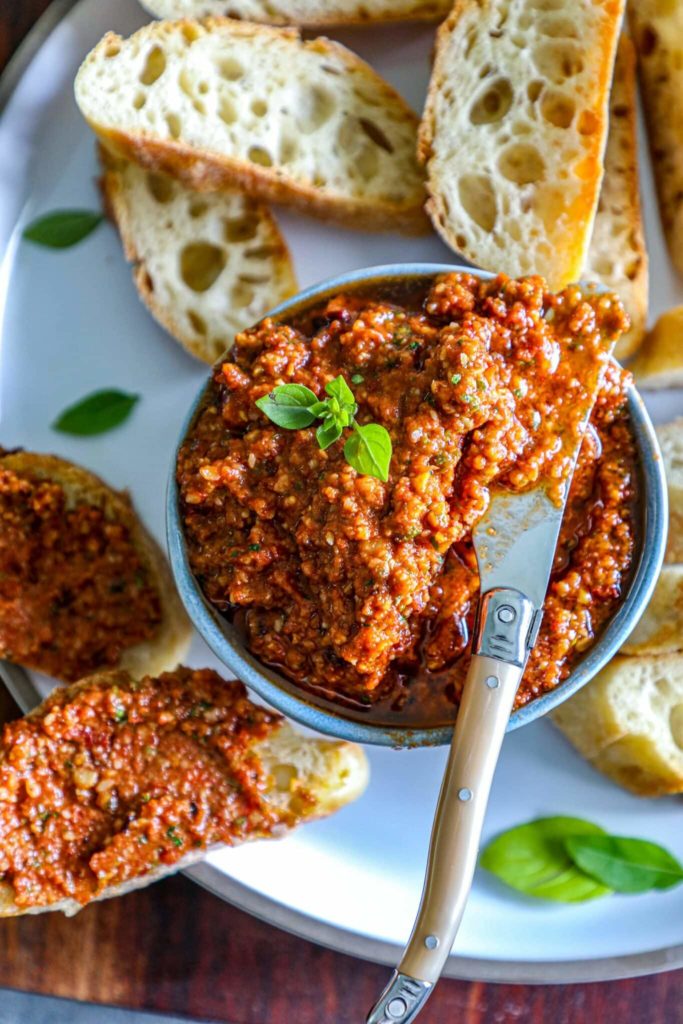
Tomato Pesto
Pesto doesn’t have to start with basil. Fresh tomatoes can be transformed into a bright, savory pesto that’s perfect for pasta, sandwiches, grilled meats, and appetizers. I use it on this Mediterranean lavash pizza recipe too.
This is another good option when you have ripe tomatoes that need to be used quickly but don’t necessarily want another traditional tomato sauce.
Burrata Bruschetta and Bruschetta Dip
Not everything from the garden needs to be preserved. When tomatoes are perfectly ripe, sometimes the best approach is to do as little to them as possible.
Pair fresh garden tomatoes with creamy burrata and toasted bread for an easy summer appetizer that lets peak-season tomatoes do most of the work. Make my bruschetta dip as well- its a HUGE crowd pleaser
RECIPES: Burrata Bruschetta and Bruschetta Dip

Tomato Phyllo Pie
This is one of my favorite seasonal summer recipes! A savory tomato pie is another way to showcase ripe slicing tomatoes while they’re at their best. The combination of juicy tomatoes and crisp phyllo gives you a completely different texture and presentation from the sauces and condiments above.

Pepper Recipes
Pepper plants can go from producing almost nothing to giving you more peppers than you can reasonably use. I grow a mixture of sweet and hot peppers, which gives me plenty of options for grilling, smoking, pickling, and preserving.
Mexican Street Corn Jalapeño Poppers
Put two summer garden favorites to work in these Mexican street corn jalapeño poppers. Fresh jalapeños are filled with a creamy, cheesy street corn-inspired filling for a smoky, spicy appetizer that’s perfect for grilling season and a fun way to use an abundance of garden peppers and sweet corn.
RECIPE: Mexican Street Corn Jalapeño Poppers

Cowboy Candy Peppers
If your jalapeño plants are especially productive, cowboy candy is one of the easiest ways to put a large harvest to work.
The combination of sweet, spicy, and tangy flavors makes candied jalapeños useful far beyond barbecue. Add them to burgers, sandwiches, nachos, cheese boards, dips, or appetizers.

Chicago-Style Hot Giardiniera
Growing vegetables outside Chicago makes homemade giardiniera feel especially appropriate.
Hot peppers are combined with vegetables, seasonings, and oil to create the condiment Chicagoans know belongs on everything from a Chicago Italian beef sandwich to smoked Italian sausage and sandwiches. It’s also a great recipe when several different vegetables from the garden are ready at once.
RECIPE: Chicago-Style Hot Giardiniera

Roasted Red Pepper Tomato Soup
When both peppers and tomatoes are coming out of the garden at the same time, this roasted red pepper tomato soup puts both harvests to good use. Roasting the vegetables first concentrates their natural sweetness and adds a deeper, richer flavor before everything gets blended into a smooth and comforting soup.
It’s a great late-summer recipe to enjoy right away, or make an extra batch to freeze for an easy meal when garden season is over.
RECIPE: Roasted Red Pepper Tomato Soup

Chicago-Style Smoked Sweet Peppers
Sweet peppers are perfect for grilling and smoking because high heat brings out their natural sweetness while adding char and smoky flavor. It goes so well on my pellet smoker bratwurst or on a Chicago Italian beef sandwich.
RECIPE: Chicago-Style Smoked Sweet Peppers

Cucumber Recipes
Cucumbers are another crop that can become abundant very quickly. Pickling varieties are especially productive, so I like having a few reliable recipes ready before the harvest starts.
Fermented Dill Pickles
Fermentation is one of my favorite ways to extend the garden harvest.
Fresh-picked cucumbers are naturally fermented with garlic, fresh dill, and seasonings to create crisp, tangy pickles without relying on a traditional vinegar brine. If your dill has started flowering, the dill flowers can go right into the jar too. It’s an easy, no-cook way to make a quick crispy homemade pickle!
RECIPE: Fermented Dill Pickles

Fresh Cucumber Radish Salad
When cucumbers are coming out of the garden faster than you can use them, this fresh cucumber radish salad is an easy way to enjoy them at their peak. Crisp cucumbers and peppery radishes come together in a light, refreshing side dish that’s perfect for summer meals, cookouts, and anything coming off the grill.
RECIPE: Fresh Cucumber Radish Salad

Fresh Herb Recipes
Fresh herbs are some of the easiest things to grow, but they’re also some of the easiest to forget about until suddenly the basil plant is enormous.
Rather than letting extra herbs go to waste, turn them into recipes that concentrate their flavor and make them easier to use.
Homemade Herb Salt
Herb salt is one of my favorite ways to preserve extra herbs from the garden.
Fresh herbs are combined with salt to create an easy seasoning you can use on meat, vegetables, eggs, potatoes, and countless other dishes. It’s especially useful toward the end of the season when you want to harvest a large amount of herbs at once.
RECIPE: Homemade Herb Salt

Pistachio Pesto
If basil is taking over your garden, make pesto.
My pistachio pesto swaps the traditional pine nuts for pistachios, adding a rich, slightly sweet, and nutty flavor while still letting fresh basil shine. Toss it with pasta, spoon it over grilled meat or vegetables, spread it onto focaccia sandwiches, or freeze some for later.

Chimichurri Pasta Salad
Fresh garden herbs are the star of this bright and flavorful chimichurri pasta salad. A homemade chimichurri made with fresh parsley and herbs coats the pasta, turning an abundance of summer herbs into an easy side dish that’s perfect for cookouts, meal prep, or serving alongside anything off the grill.
RECIPE: Chimichurri Pasta Salad

Eggplant Recipes
Fresh eggplant is an ideal candidate for grilling and smoking. The flesh softens as it cooks while absorbing plenty of smoky flavor, which makes it especially good for dips and spreads.
Smoked Baba Ganoush
Instead of roasting eggplant in the oven, smoke it until the flesh becomes soft and tender.
That smoky eggplant becomes the base for homemade baba ganoush, giving the classic dip even more depth of flavor. Serve it with pita, fresh vegetables, or as part of a larger Mediterranean-style spread.

Fresh Corn Recipes
Fresh sweet corn doesn’t need much help, but grilling and smoking are two of my favorite ways to bring out even more flavor.
Whether you cook the ears whole or remove the kernels for another recipe, there are plenty of ways to make fresh corn part of your summer cooking.
Smoked Corn on the Cob
Smoking corn gives the kernels a subtle smoky flavor while keeping the preparation simple. Serve it straight from the cob or remove the kernels to use in salads, salsas, dips, and side dishes.
RECIPE: Smoked Corn on the Cob

Corn Chowder Poached Cod
Fresh sweet corn becomes the base for a creamy, flavorful chowder that’s used to gently poach tender cod. It’s a great way to turn peak-season garden corn into a complete summer meal while highlighting the corn’s natural sweetness.
RECIPE: Corn Chowder Poached Cod

Mexican Street Corn Fritters
Turn fresh corn kernels into crispy fritters packed with sweet corn and savory flavor. This is an especially useful recipe if you’ve cooked extra ears of corn and want to repurpose them into something completely different.
RECIPE: Mexican Street Corn Fritters

Squash and Pumpkin Recipes
By the time late summer starts transitioning into fall, the garden begins to change too. Summer squash gives way to butternut squash, pumpkins, and other cool-weather ingredients.
These recipes help carry the garden-to-table idea beyond tomato season and into fall cooking.
Smoked Butternut Squash
Butternut squash holds up beautifully to smoking. The low heat softens the squash while adding savory smoke that balances its natural sweetness.
Serve it as a side dish or use the cooked squash as a starting point for soups, purées, salads, and other fall recipes.
RECIPE: Smoked Butternut Squash

Ghapama (Armenian Stuffed Pumpkin)
Ghapama is a traditional Armenian stuffed pumpkin filled with rice, dried fruit, nuts, and warm spices. It’s an especially beautiful way to use a whole pumpkin and makes a natural transition from the summer garden harvest into fall.
RECIPE: Armenian Ghapama

How I Make the Most of My Garden Harvest
A productive garden doesn’t mean you need to preserve everything. In fact, I like having a mixture of recipes that let me enjoy vegetables immediately and recipes that extend their life.
When something is perfectly ripe, I usually keep the preparation simple. Tomatoes become bruschetta, corn goes on the grill, and eggplant goes into the smoker. When the harvest starts outpacing what we can eat, that’s when I start thinking about sauces, pesto, pickles, fermentation, drying, and freezing.
A few strategies make the biggest difference:
- Eat peak produce first. Use the ripest and most delicate vegetables in fresh recipes while they’re at their best.
- Cook down large harvests. Roasting and simmering can turn pounds of tomatoes or peppers into a much more manageable amount of sauce or condiment.
- Freeze what freezes well. Tomato sauces, pesto, compound butters, and similar recipes can often carry garden flavor well beyond summer.
- Ferment or pickle strategically. Cucumbers and peppers are especially good candidates when plants start producing faster than you can eat them.
- Use the whole garden. Herbs, dill flowers, peppers, tomatoes, and other smaller harvests can often be incorporated into sauces, seasonings, and condiments instead of going unused.
More Garden-to-Table Recipes Coming Soon
My Zone 5B garden changes every year, and so does what I’m cooking from it. I’ll continue updating this guide with new recipes for tomatoes, peppers, cucumbers, herbs, squash, and anything else that makes its way from my garden into the Bon Appeteach kitchen.
Whether you’re trying to use a handful of freshly picked herbs or staring at 15 pounds of tomatoes on the counter, the goal is the same: cook what you grow, enjoy it while it’s at its best, and find delicious ways to make the harvest last a little longer.